If you work in Silicon Valley but crave more space, privacy, and a stronger connection to nature, Los Gatos mountain living probably feels like a compelling middle ground. It offers a very different daily experience than a standard valley commute suburb, but it also comes with tradeoffs that are real, practical, and property-specific. If you are weighing the move, this guide will help you understand the commute, infrastructure, climate, and lifestyle realities so you can make a smarter decision. Let’s dive in.
Why commuters consider the mountains
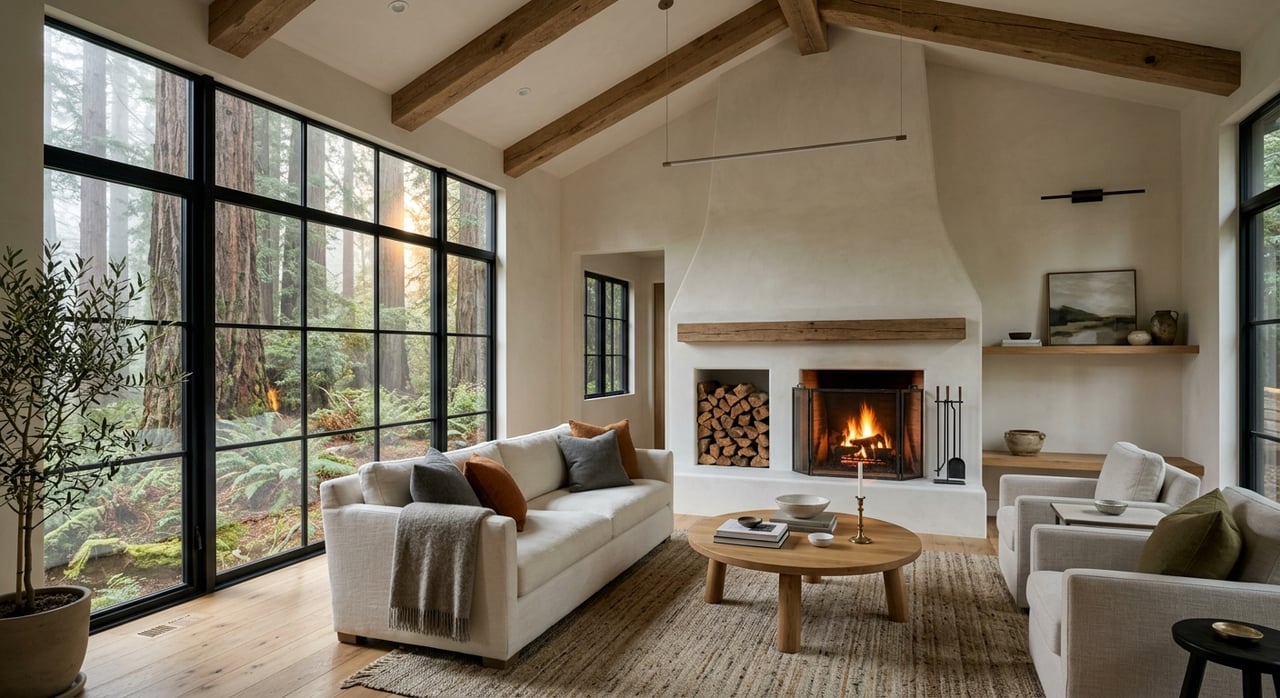
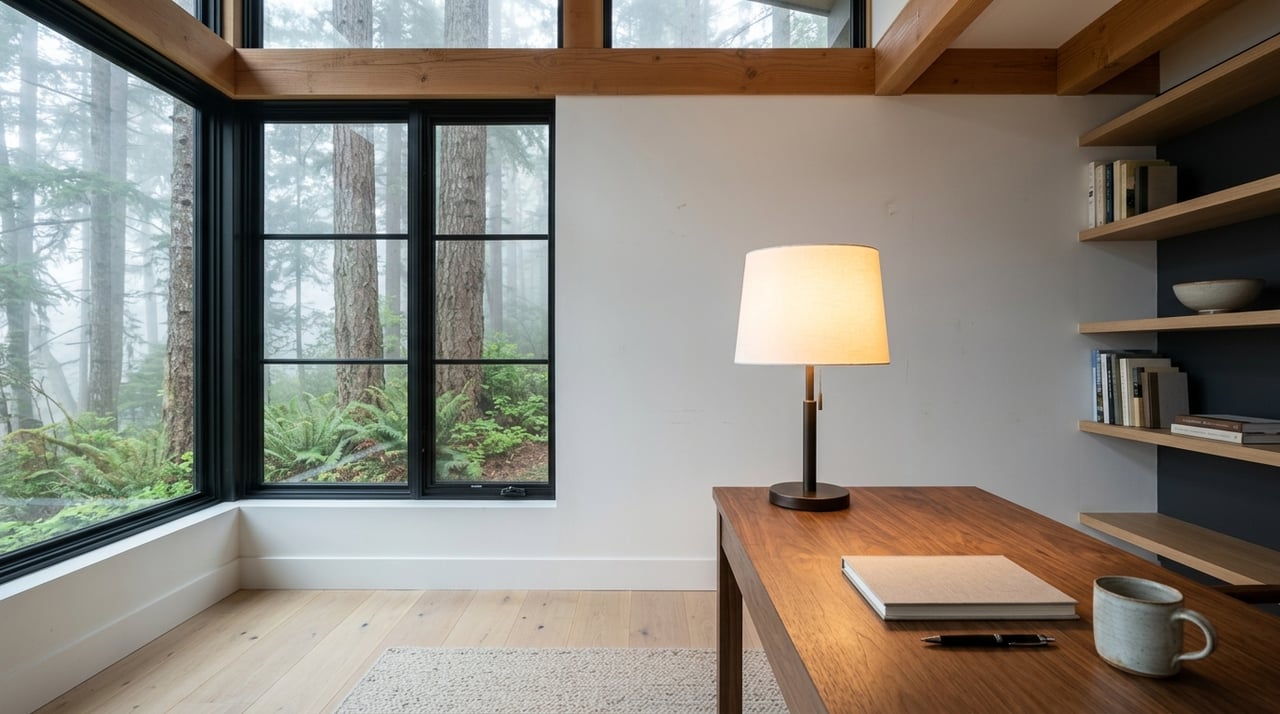
For many buyers, the appeal is simple: more land, more privacy, and a more rural setting while staying within reach of Silicon Valley job centers. The Los Gatos area sits where the Santa Clara Valley meets the lower slopes of the Santa Cruz Mountains, so you can shift from a town-centered environment to wooded hillside living in a relatively short drive.
That difference is not just aesthetic. The Town of Los Gatos describes the broader area as ranging from valley-floor land to densely wooded hillsides, and some homes with a Los Gatos mailing address are actually in unincorporated Santa Clara County. That matters because the experience of ownership, development rules, and property infrastructure can differ depending on exactly where the home is located.
Los Gatos address versus jurisdiction
One of the first things to understand is that a Los Gatos mailing address does not always mean the property is within the Town of Los Gatos. Some mountain properties fall under unincorporated Santa Clara County, which means county planning and building rules apply rather than town rules.
For you as a buyer, that can affect everything from permitting expectations to site development constraints. It is one reason mountain home searches need a more detailed review than a typical in-town purchase.
Why county rules shape mountain living
Santa Clara County’s General Plan is designed to keep areas outside cities’ urban service areas non-urban. The stated goals include preserving natural resources and rural character while reducing exposure to hazards such as landslides, earthquake faults, and wildfire.
In practical terms, that policy framework helps explain why mountain living feels less service-intensive and more individualized than in-town Los Gatos. You may gain space and privacy, but you should also expect more due diligence and fewer standardized conditions from one property to the next.
What the Highway 17 commute is really like
If you are moving here for a better lifestyle while keeping a Silicon Valley job, the commute will be central to your decision. Highway 17 is the main commuter spine between the Santa Cruz Mountains and Silicon Valley, and it is not a route most locals treat casually.
According to Regional Transportation Commission Safe on 17 materials, more than 63,000 people commute over Highway 17 daily. The 2024 Safe on 17 update reported 690 collisions on the corridor, 237 injury collisions, no fatal collisions, and 3,980 citations. That data reinforces what many commuters already know: this is a high-attention drive, not a routine suburban freeway run.
Mountain road access matters too
The commute is not only about Highway 17 itself. The Town’s hillside circulation plan notes that mountain roads are often narrow, steep, discontinuous, and sometimes end in dead ends with no alternate route out in case of fire.
Weather and storm impacts can also disrupt access. Santa Clara County has reported storm damage closures affecting Bear Creek Road near Los Gatos, Old Santa Cruz Highway near Lexington Reservoir, and Aldercroft Heights Road. If you are considering a mountain home, you are really evaluating the full route from driveway to destination, not just the map pin.
Is there a non-driving backup?
There is a Highway 17 Express Amtrak Thruway schedule between Downtown San Jose/SJSU and the Santa Cruz Metro Center. That can be helpful as a backup option in some situations.
Still, for most mountain residents, it does not replace the flexibility of having a car. Daily life in the mountains is closely tied to driving, both for commuting and for regular errands.
How the climate changes by location
One of the biggest surprises for relocation buyers is how much conditions can change within a relatively small geographic area. Living in the mountains is not the same as living in downtown Los Gatos, and it is also not the same as living in coastal Santa Cruz.
NOAA climate normals show the Los Gatos station averaging 59.6°F and 22.19 inches of precipitation annually. The Santa Cruz station averages 58.7°F and 30.63 inches. That helps illustrate why buyers often see the valley, mountains, and coast as three distinct lifestyle choices.
Microclimates are part of the deal
The USDA ecological description for the Santa Cruz Mountains notes that ridges reduce maritime air penetration, summer fog is significant, and precipitation increases with elevation inland. Exposure, slope direction, and elevation can all affect how a property feels day to day.
That means one home may feel cooler and foggier on a west-facing slope, while another may experience more weather variation at a higher or more inland site. Two homes with similar price points can live very differently depending on their setting.
What you get with mountain properties
Mountain buyers are often drawn to homesites that offer a stronger sense of separation and room to breathe. County land-use policy in these areas is very low density, with designations such as Hillside, Ranchlands, Agriculture, and Rural Residential.
The County General Plan describes typical subdivision densities of 20 to 160 acres per parcel in some areas, with one primary dwelling allowed per legal lot. In one Los Gatos hillside sub-area, the Hillside Specific Plan describes 2.5 to 10 acres per dwelling with a minimum lot size of one acre. While every property is unique, the broader pattern is clear: mountain living usually means lower density and more land.
Home styles tend to fit the terrain
The hillside environment often favors custom homes that step with the slope instead of spreading across a large flat pad. Local hillside planning references terraced pads, California Ranch and Mediterranean influences, and some older small-lot areas with more Craftsman or Victorian character.
Town hillside rules also require site and architectural review intended to keep development harmonious with the mountain environment. For buyers, that often translates to more character and site-specific design, but also fewer cookie-cutter properties.
Utilities and infrastructure need closer review
This is where mountain buying becomes much more technical. According to the Los Gatos Hillside Specific Plan, about 80% of the study area was developed without an 18-foot paved roadway, public water service, or public sewer.
Septic systems are common, and water may come from mutual water companies, individual wells, or springs. That does not make these properties less desirable, but it does make the buyer’s review process more important.
Key due diligence areas for buyers
Before you commit to a mountain property, it helps to understand the infrastructure side clearly. A careful review often includes:
- Road access and road condition
- Whether the property is in the Town or unincorporated County
- Water source, such as a mutual water company, well, or spring
- Septic system presence and related records
- Site layout, slope, and how the home fits the terrain
- Practical commute timing from the property itself
- Emergency access and evacuation considerations
These are the kinds of details that can materially affect day-to-day comfort, ownership costs, and future resale appeal.
Wildfire readiness is part of ownership
Wildfire preparedness is a regular part of mountain living, not a one-time topic. Santa Clara County continues to host workshops in Redwood Estates focused on home hardening, defensible space, Firewise practices, emergency notification, and evacuation planning.
For you as a buyer, this is an important mindset shift. A mountain home can offer a beautiful setting and strong privacy, but it also comes with a greater need to understand access, upkeep, and emergency planning from the start.
Mountains versus in-town Los Gatos
For many Silicon Valley commuters, the real question is not whether Los Gatos is appealing. It is which version of Los Gatos living best fits your life.
In-town Los Gatos offers a more service-rich environment. The Town describes it as a self-contained community with a pedestrian-oriented downtown and more than 3,000 businesses. If convenience, shorter errand runs, and a more connected town setting matter most, that can be a strong advantage.
The mountains offer a different value proposition. You are typically trading convenience for privacy, lot size, and a more rural pattern of living. Neither choice is universally better. It depends on how you weigh commute intensity, space needs, and comfort with property-specific infrastructure.
Mountains versus coastal Santa Cruz
Some Bay Area buyers also compare Los Gatos mountain living with coastal Santa Cruz communities. The broad tradeoff often comes down to access, weather, and the kind of lifestyle you want on ordinary weekdays, not just weekends.
Based on NOAA station data, Santa Cruz is wetter and more marine-influenced than the Los Gatos valley station. If you are comparing the coast, the mountains, and in-town Los Gatos, you are really choosing between three different daily rhythms: coastal weather, mountain privacy, or town-centered convenience.
Who mountain living fits best
Los Gatos mountain living can be a strong fit if you value privacy, land, and a more rural home environment enough to accept a more complex ownership experience. It can also work well if you are realistic about the commute and comfortable with homes that require more careful evaluation.
It may be a less natural fit if you want highly predictable infrastructure, quick access to services, or a simpler day-to-day routine. The right choice usually becomes clearer when you view homes through the lens of your actual weekday life, not just the view from the deck.
If you are exploring mountain properties around Los Gatos or weighing them against in-town or coastal options, working with someone who understands the local tradeoffs can make the process much more efficient. For calm, informed guidance on mountain, coastal, and lifestyle-driven home decisions, connect with Daniel Oster.
FAQs
What makes Los Gatos mountain living different from in-town Los Gatos?
- Mountain living usually offers more privacy, larger lots, and a more rural setting, while in-town Los Gatos offers a more pedestrian-oriented downtown, more businesses, and a more service-rich environment.
What should Silicon Valley commuters know about Highway 17 from Los Gatos mountain homes?
- Highway 17 is the main commute route, but it is a high-attention corridor with heavy daily commuter use, reported collisions, and mountain access roads that can be narrow, steep, or affected by storms.
What utilities are common in Los Gatos mountain properties?
- Many mountain properties rely on septic systems and may use mutual water companies, wells, or springs rather than public sewer and public water service.
How do Los Gatos mountain microclimates affect daily living?
- Conditions can vary significantly based on elevation, slope direction, and exposure, with some sites feeling cooler, foggier, or more weather-variable than others.
Why does jurisdiction matter for Los Gatos mountain homes?
- Some homes with a Los Gatos mailing address are in unincorporated Santa Clara County, so county planning and building rules may apply instead of Town of Los Gatos rules.
Is Los Gatos mountain living a good fit for Bay Area relocation buyers?
- It can be a great fit if you value space, privacy, and a rural setting and are prepared for commute realities, wildfire readiness, and more property-specific due diligence.