By Daniel Oster
After years of working with buyers in Santa Cruz, I've noticed that the decision to make an offer rarely happens the way people expect it will. Most buyers come in thinking it's about square footage, school ratings, and price per foot. And then they walk into a property, and something happens. It's not irrational; it's human. Understanding that process makes me a better agent, and it makes buyers better at navigating their own decisions.
Key Takeaways
-
Emotional response to a home often precedes and drives rational analysis, not the other way around
-
Specific sensory and spatial cues trigger the "yes" feeling more reliably than features on a list
-
Understanding your own decision-making process helps you move with confidence in a competitive market
-
In Santa Cruz's low-inventory environment, buyers who know what they want (and why) act more decisively and win more often
The Emotional Logic Behind Buying Decisions
Buyers almost never make their decision based on the checklist they came in with. The checklist is how they eliminate properties. The decision to say yes comes from somewhere else — a feeling of recognition, a sense that they can see their life in a space. Research in behavioral economics has confirmed for decades what most real estate agents figure out quickly: emotion leads, rationality follows.
What Triggers the "Yes" Feeling
-
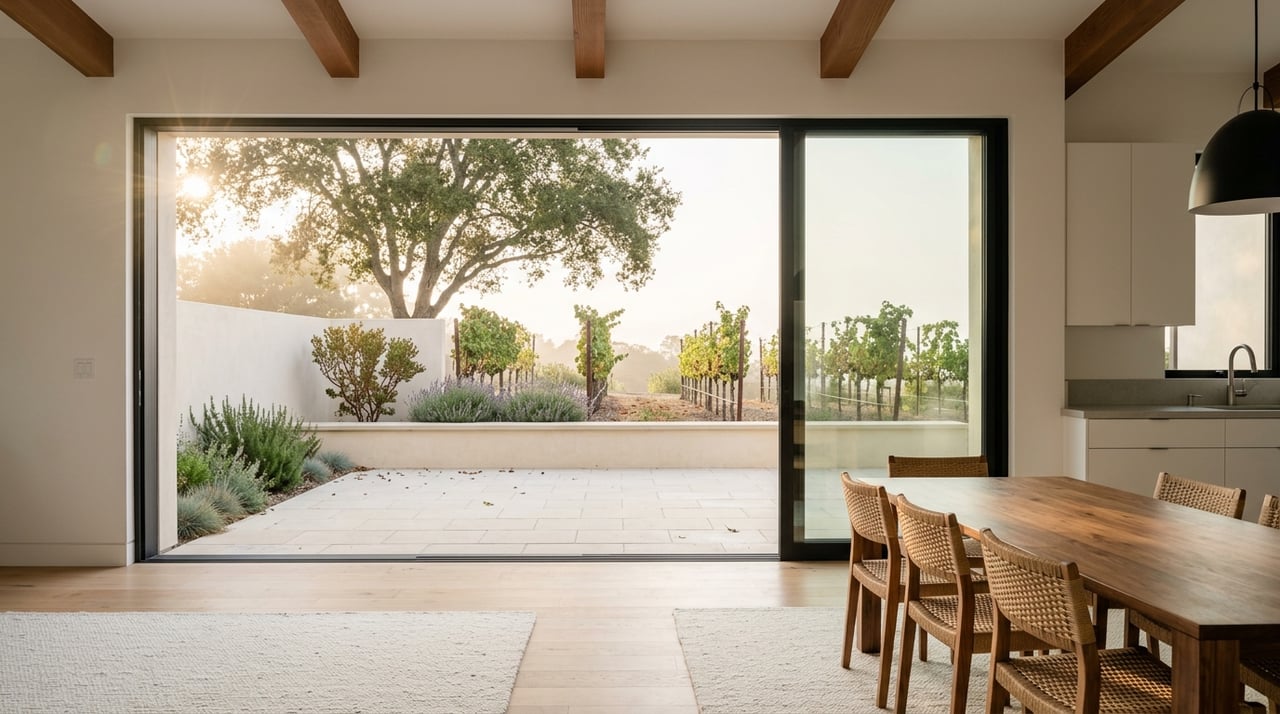
Natural light: More than any other feature, light (especially the kind of soft afternoon light that Santa Cruz's coastal fog filters differently than inland markets) triggers an immediate positive response
-
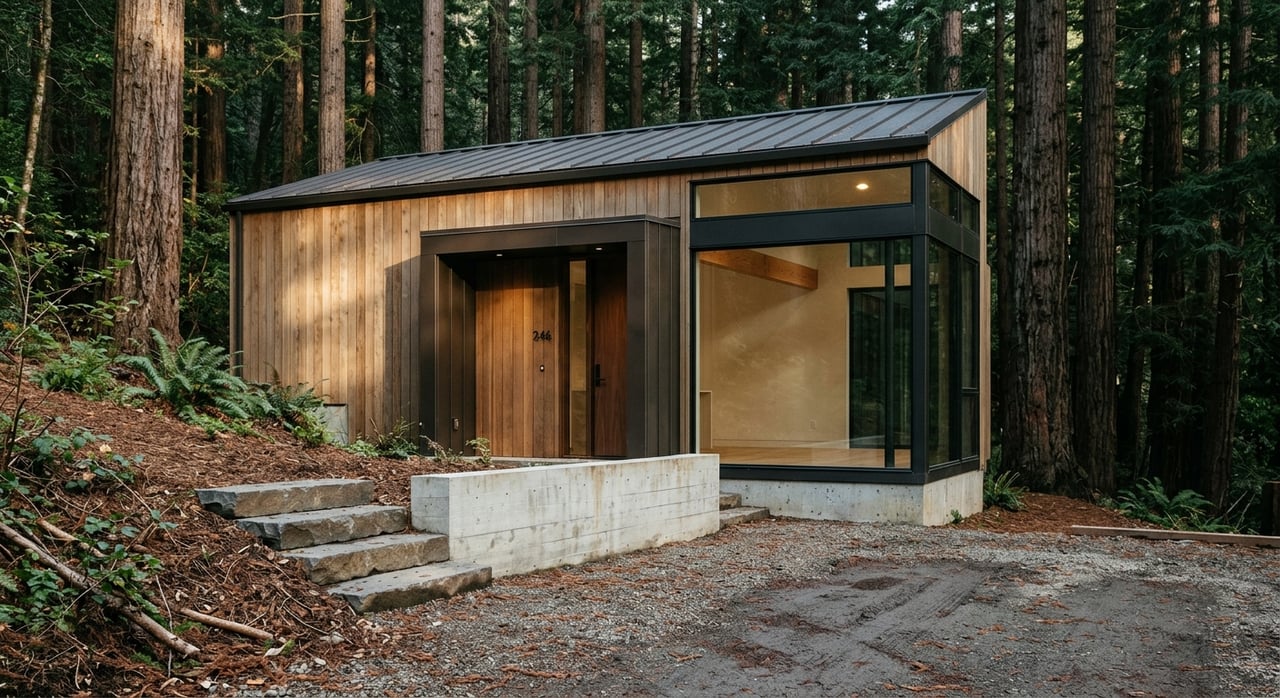
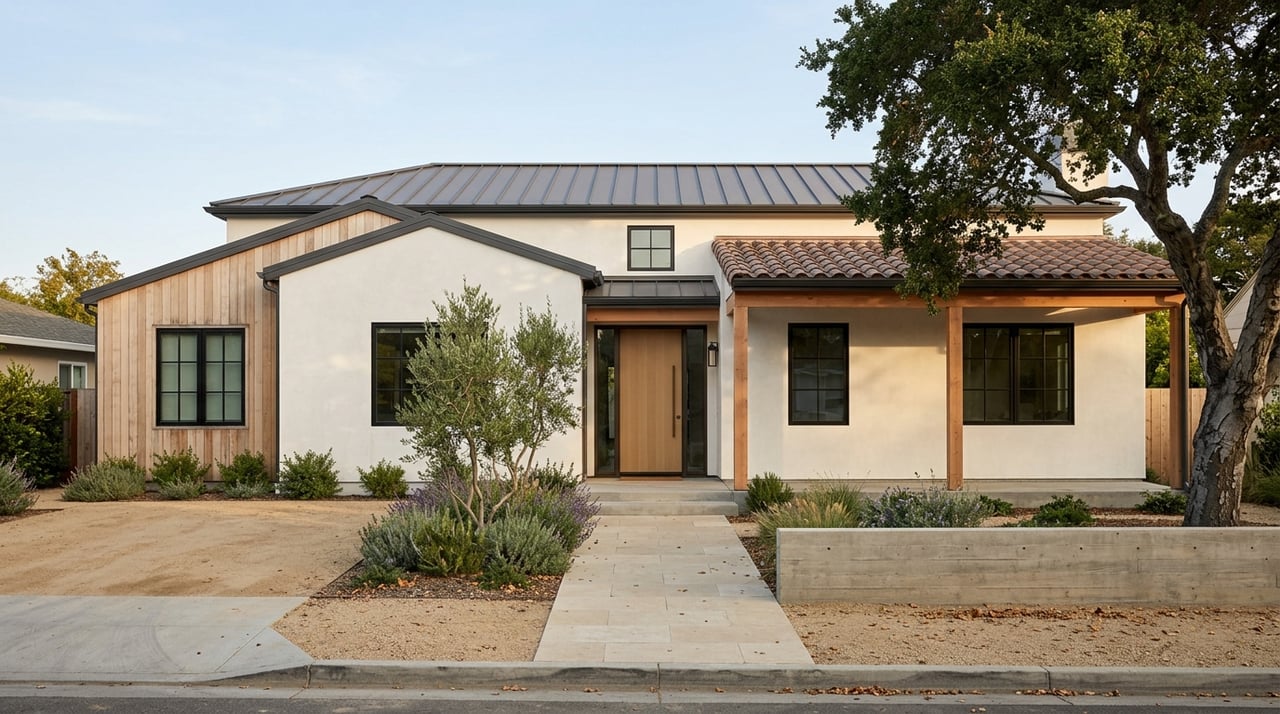
Entry and arrival sequence: How a home announces itself matters enormously; a well-designed path from street to front door shapes expectation before a buyer steps inside
-
Ceiling height and spatial proportion: Rooms that feel proportioned to human scale (not too cramped, not cavernous) create a sense of ease that buyers often describe as the home "feeling right"
-
Scent and sound: Fresh air, the absence of closed-up odors, and a quiet environment all work below the level of conscious evaluation
-
A view or borrowed landscape: In Santa Cruz, even a partial ocean view, a backyard redwood canopy, or a glimpse of the hills creates an emotional anchor that buyers return to mentally when weighing their decision
Why Buyers Talk Themselves Out of Good Properties
The flip side of emotional decision-making is emotional avoidance. Buyers in competitive markets often hesitate on strong properties because of minor cosmetic issues that won't matter in a year, or because the property doesn't look exactly like what they pictured. This is one of the places where having an experienced agent matters most.
Common Hesitation Patterns (and What's Actually Going On)
-
"The kitchen is dated": Buyers often discount kitchens that are functional but not Instagram-ready, even when a full renovation is within reach financially
-
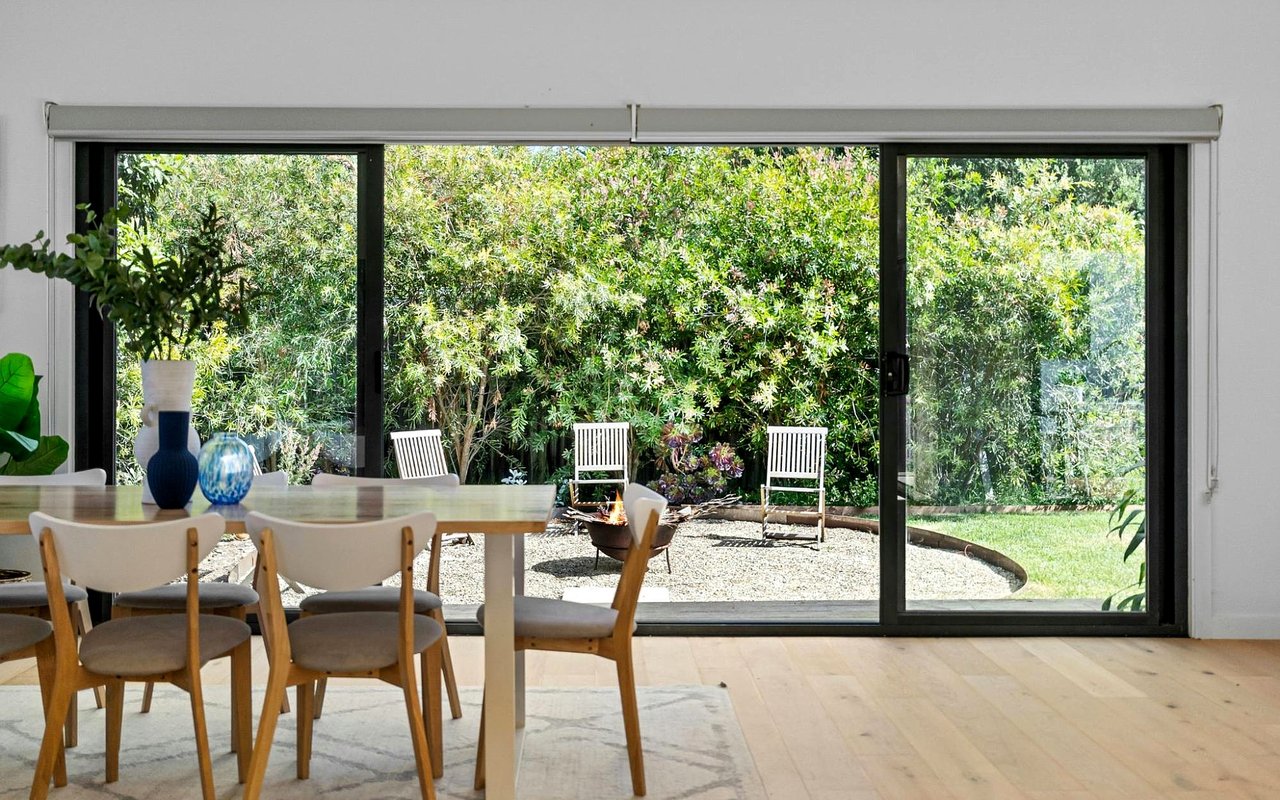
"The yard needs work": Outdoor space in Santa Cruz is genuinely valuable and often undersold in listings; buyers who can see past June-dry lawns tend to win better properties
-
"I want to see a few more": In a low-inventory market, this instinct is often the right call, but knowing the difference between strategic patience and fear-driven avoidance takes self-awareness
-
"It doesn't feel like home yet": This is almost always about personalization, not the property; buyers rarely feel at home in a space that still belongs to someone else
How Sellers Can Use Buyer Psychology to Their Advantage
Understanding what triggers a yes gives sellers a real edge in presentation. The most effective staging and preparation isn't about making a home look expensive; it's about making it feel immediately livable.
Preparation Priorities That Move Buyers
-
Maximize light before anything else: clean windows, open blinds, replace dim bulbs, and schedule showings during the home's best-light hours
-
Address scent and air quality before any cosmetic update; buyers notice this before they notice the paint
-
Clear entry paths and improve arrival sequence; first impressions form in the first eight seconds
-
Edit rather than stage: removing excess furniture and personal items makes spaces feel larger and more imaginable to a buyer
Frequently Asked Questions
Do buyers really make decisions based on emotion?
Every study of consumer behavior says yes, and real estate is no different. Most buyers identify their "yes" property quickly and then spend the due diligence period confirming that decision rationally. Understanding this doesn't mean ignoring the numbers; it means being honest about how the decision actually works.
How do I know if my hesitation is a red flag or just nerves?
This is one of the most important conversations I have with buyer clients. In general, hesitation rooted in specific, fixable issues is usually manageable. Hesitation rooted in a gut sense that something is off (layout, location, something you can't quite name) deserves more attention. I help my clients distinguish between the two.
How does this apply in Santa Cruz specifically?
Santa Cruz buyers are often comparing a mix of property types across a range of neighborhoods. The buyer who falls in love with Pleasure Point's walkable surf culture may not respond to a similarly priced property in Scotts Valley, even if the specs are better. Being honest about what you're actually drawn to helps us focus faster and act more decisively.
Contact Daniel Oster Today
Buying in Santa Cruz requires both market knowledge and self-knowledge. I'm Daniel Oster, and I work with buyers who want an agent who can help them navigate both.
If you're thinking about making a move in this market, let's start with what you're actually looking for — and go from there.
If you're thinking about making a move in this market, let's start with what you're actually looking for — and go from there.